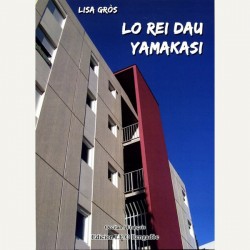
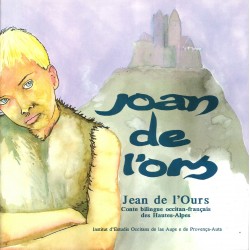
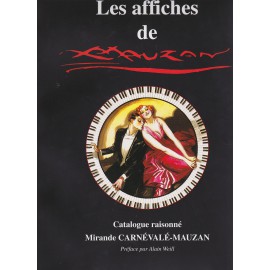
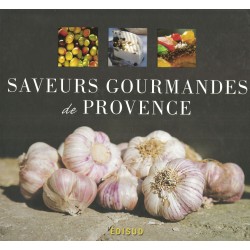
Books
Occitan Books or on the Occitania country
Subcategories
-

BD - Humour
Livres BD - Humour en occitan -

Beaux Livres
Beaux Livres en occitan -

Contes
Livres de Contes en occitan -

Cuisine
Livres de Cuisine en occitan
-

Diccionari
Livres Diccionari en occitan -

Enfants
Livres Enfants en occitan -

Grammaire - Pédagorie
Livres Grammaire - Pédagorie en occitan -

Histoire - Etudes
Livres Histoire - Etudes en occitan -

Linguistique - Toponymie
Livres Linguistique - Toponymie en occitan -

Literature
Books Literature in occitan -

Musique
Livres Musique en occitan -

Mistral and friends
-

Nature
Livres Nature en occitan -

Patrimoine
Livres Patrimoine en occitan -

Poetry
Poetry books in occitan -

Practical
Practical books in Occitan -

Theater
Theater books in occitan language
-

Troubadours
Books about troubadours, men and women, whether Occitan or not.
A troubadour (trobador) was a composer and performer of Old Occitan lyric poetry during the High Middle Ages (1100–1350). Since the word troubadour is etymologically masculine, a female troubadour is usually called a trobairitz.
The troubadour school or tradition began in the late 11th century in Occitania, but it subsequently spread into Italy and Spain. Under the influence of the troubadours, related movements sprang up throughout Europe: the Minnesang in Germany, trovadorismo in Galicia and Portugal, and that of the trouvères in northern France. Dante Alighieri in his De vulgari eloquentia defined the troubadour lyric as fictio rethorica musicaque poita: rhetorical, musical, and poetical fiction. After the "classical" period around the turn of the 13th century and a mid-century resurgence, the art of the troubadours declined in the 14th century and eventually died out around the time of the Black Death (1348).
The texts of troubadour songs deal mainly with themes of chivalry and courtly love. Most were metaphysical, intellectual, and formulaic. Many were humorous or vulgar satires. Works can be grouped into three styles: the trobar leu (light), trobar ric (rich), and trobar clus (closed). Likewise there were many genres, the most popular being the canso, but sirventes and tensos were especially popular in the post-classical period, in Italy and among the female troubadours, the trobairitz. -

Editions
-

Digital books